

Wuwei, also known as Wuwei City, is a prefecture-level city located in Gansu Province, China. It is situated in the eastern part of the Hexi Corridor, an important historical and cultural region. Wuwei has a rich history dating back over 2,000 years. It was an important city along the ancient Silk Road, serving as a significant trading hub and cultural exchange center between China and Central Asia. The city has preserved numerous historical sites and artifacts that reflect its ancient heritage.
Leitai Han Tomb: One of the major attractions in Wuwei is the Leitai Han Tomb, which dates back to the Eastern Han Dynasty (25-220 AD). The tomb is known for its unique bronze galloping horse statue, a symbol of Chinese artistic excellence. It is considered a national treasure and has become an emblem of Wuwei.
Wuwei Museum: The Wuwei Museum is dedicated to showcasing the history, culture, and archaeology of the region. It houses a vast collection of artifacts, including ancient pottery, bronze ware, stone carvings, and cultural relics from various dynasties. Visitors can learn about Wuwei’s historical significance and its role in the Silk Road trade.
Confucius Temple: Wuwei is home to the Confucius Temple, a place of worship and cultural education dedicated to the great Chinese philosopher, Confucius. The temple features traditional Chinese architecture, tranquil courtyards, and an atmosphere of reverence. It serves as a center for Confucian teachings and cultural activities.
Wuwei is well-connected by air, rail, and road networks. The Wuwei Liangzhou Airport serves the city with domestic flights, and there are train and bus connections from major cities in China.
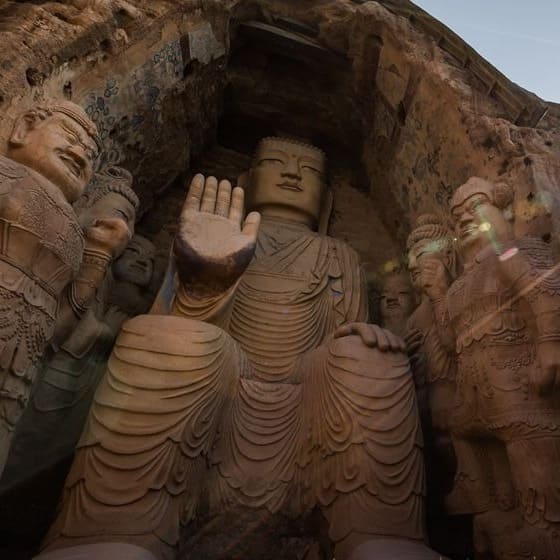
Tianti Mountain Grottos
The Tianti Mountain Grottos, also known as Tianti Caves, are indeed located in Wuwei, Gansu Province, China. Here’s some information about the Tianti Mountain Grottos, approximately 30 kilometers northeast of Wuwei City in Gansu Province. The grottos are carved into the cliffs of Tianti Mountain, providing a picturesque and serene setting.
Historical Significance: The Tianti Mountain Grottos are believed to have been constructed during the Northern Wei Dynasty (386-534 AD) and further expanded during the subsequent dynasties, including the Tang and Song dynasties. They served as a place of worship and meditation for Buddhist monks and followers.
Buddhist Art: The grottos feature a series of rock-cut caves adorned with intricate Buddhist sculptures, statues, and murals. The artistic style and craftsmanship of the grottos exhibit a blend of Buddhist, Taoist, and indigenous cultural influences, making them a valuable representation of ancient Chinese religious art.
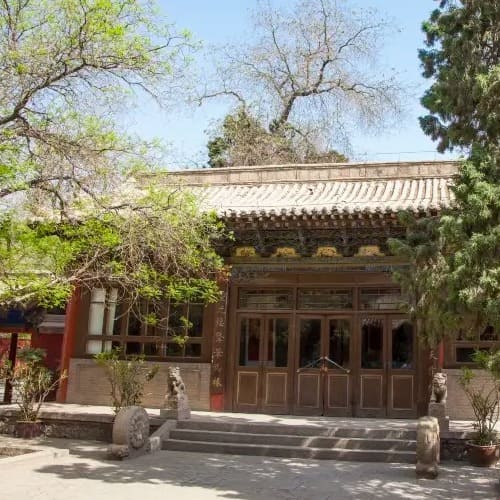
Confucian Temple Changchun
The Confucian Temple in Wuwei, Gansu, also known as the Wuwei Confucian Temple, is a cultural and historical site dedicated to Confucius, the great Chinese philosopher. The Temple is situated in Wuwei City, Gansu Province, China. It is located in the city center, making it easily accessible for visitors.
The Confucian Temple in Wuwei has a long history, dating back to the Ming Dynasty (1368-1644). It was built to honor Confucius and served as a center for Confucian teachings and education in the region.
The temple complex follows traditional Chinese architectural styles, with distinctive elements such as grand gates, courtyards, halls, and pavilions. The main hall, known as the Dacheng Hall, is the central structure where rituals and ceremonies are conducted to pay homage to Confucius. The temple also houses various tablets, inscriptions, and statues related to Confucianism.