

Tongren, also known as Tongren City or Tongren Prefecture, is a city in eastern Guizhou province. It is known for its rich cultural heritage, historic sites, and beautiful natural landscapes.
Tongren is renowned for its cultural and religious significance. It is considered one of the birthplaces of Tibetan Buddhism in China. The region is home to several important Tibetan Buddhist monasteries, including the Wutun Monastery, Longwu Monastery, and the Zhugao Monastery. These monasteries feature stunning Tibetan architecture, intricate murals, and religious artifacts. Visitors can witness Buddhist rituals, explore the monastic complexes, and learn about the region’s spiritual traditions.
Tongren is also known for its vibrant folk arts and traditional crafts. The city is famous for its intricate paper-cutting, woodblock printing, and batik textiles. Visitors can explore workshops and studios to observe local artisans creating these unique crafts. The folk arts of Tongren have a long history and are recognized as important cultural heritage of Guizhou province.
Tongren is surrounded by picturesque landscapes, including mountains, rivers, and forests. The Fanjing Mountain, a UNESCO World Natural Heritage site, is a prominent attraction in the area. Known for its unique rock formations, diverse flora and fauna, and sacred Buddhist temples, Fanjing Mountain offers stunning hiking trails and breathtaking views. Other natural attractions in Tongren include the Baili Azalea Forest Park and the Xiandu Scenic Area.
Cultural Festivals: Tongren hosts various cultural festivals throughout the year. The most famous is the Temple Fair of Wutun Monastery, held during the Spring Festival (Chinese New Year). During this festival, locals and visitors gather to celebrate with traditional performances, folk dances, and local delicacies. The festival provides a vibrant and festive atmosphere for experiencing the local culture.
To reach Tongren, you can travel by train or bus from major cities in Guizhou or neighboring provinces. Within the city, local transportation options such as taxis and buses are available for getting around and exploring the attractions.
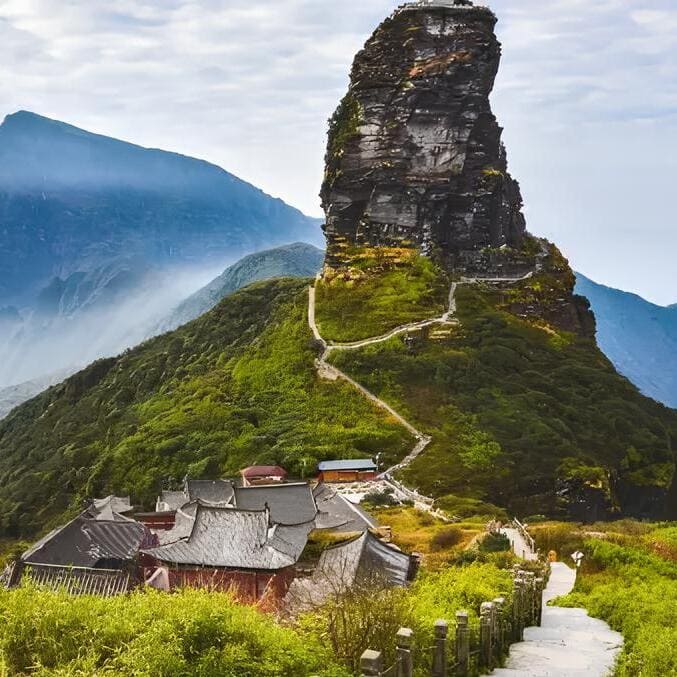
Mount Fanjing
Mount Fanjing, also known as Fanjingshan or Mount Fanjingshan, is a majestic mountain located in Tongren City, Guizhou Province, China. It is a UNESCO World Heritage site and a popular destination for nature lovers, hikers, and spiritual seekers.
Spiritual Significance: Mount Fanjing holds great spiritual and religious significance. It is considered a sacred mountain in Buddhism and is home to several Buddhist temples and monasteries. The most prominent temple on the mountain is the Yunju Temple, which dates back over 1,000 years. The temple complex is a tranquil retreat where visitors can learn about Buddhist teachings, meditate, and admire the panoramic views of the surrounding landscape.
Hiking and Outdoor Activities: Mount Fanjing offers excellent opportunities for outdoor activities and hiking enthusiasts. There are well-marked trails that lead visitors through the mountain’s beautiful scenery. The most popular route is the Golden Summit Trail, which takes you to the highest peak of Mount Fanjing. The hike offers stunning views, serene forests, and encounters with unique wildlife. It is worth noting that due to the mountain’s steep terrain, some sections of the trails require physical stamina and caution.
Cultural Preservation: Mount Fanjing is known for its efforts in cultural preservation and sustainable tourism. It is home to rare and endemic plant species, including the Fanjingshan Fir, which is considered a living fossil. The mountain has been designated as a Biosphere Reserve by UNESCO, highlighting its importance for both ecological and cultural conservation.
To visit Mount Fanjing, you can travel to Tongren City by train or bus from major cities in Guizhou or neighboring provinces. From Tongren, local transportation options, such as buses or taxis, are available to reach the mountain.
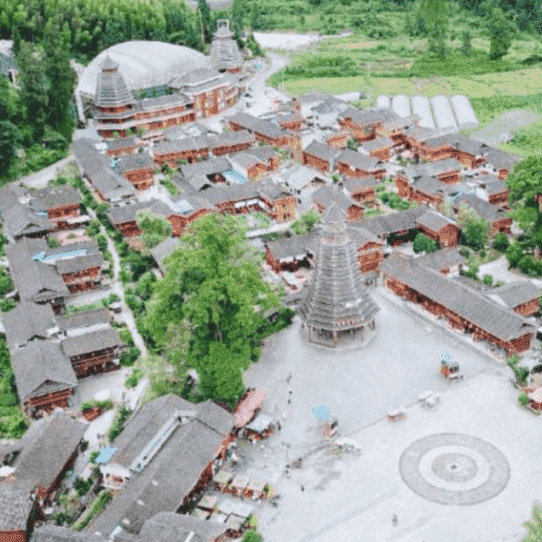
Zhaisha Dongzhai
Zhaisha Dongzhai is a Dong ethnic village located in Jiangkou County, Tongren City, Guizhou Province, China. It is known for its traditional Dong culture, unique architecture, and beautiful natural surroundings.
Zhaisha Dongzhai is predominantly inhabited by the Dong ethnic minority, known for their rich cultural heritage and distinctive architectural style. The village showcases traditional Dong houses, also called “Diaojiaolou,” which are wooden structures built on stilts. These houses feature intricate woodwork, ornate patterns, and delicate craftsmanship. Visitors can explore the village, observe local customs, and experience the Dong way of life.
Wind and Rain Bridges: Zhaisha Dongzhai is known for its Wind and Rain Bridges, iconic architectural structures that serve as communal gathering places and important symbols of the Dong culture. These bridges are characterized by their covered walkways, tiled roofs, and ornamental carvings. They provide both practical functions, allowing villagers to cross rivers and streams, as well as serving as spaces for social activities, festivals, and markets.
Scenic Surroundings: Zhaisha Dongzhai is nestled in a picturesque natural setting, with lush green mountains, flowing rivers, and rice terraces. The serene landscape provides a tranquil environment for walking, hiking, or simply enjoying the beauty of the countryside. Visitors can immerse themselves in the rural charm and capture stunning views of the surrounding scenery.
To reach Zhaisha Dongzhai, you can travel to Jiangkou County in Tongren City by train or bus from major cities in Guizhou or neighboring provinces. From Jiangkou, local transportation options such as taxis or minibusses are available to reach Zhaisha Dongzhai.