

Chengde, also known as Rehe, is a city located in Hebei Province, China. It is situated in the northeastern part of the province, approximately 250 kilometers (155 miles) northeast of Beijing. Here is an introduction to Chengde, highlighting its features and interesting facts:
One of the main attractions in Chengde is the Chengde Mountain Resort, also known as the Imperial Summer Resort. This vast complex served as the summer retreat for the Qing emperors during the 18th and 19th centuries. It is a UNESCO World Heritage site and features a combination of architectural styles, beautiful gardens, pavilions, lakes, and temples.
Chengde is known for its collection of ancient temples collectively referred to as the Eight Outer Temples. These temples were built during the Qing Dynasty and showcase a fusion of Chinese and Tibetan architectural styles. Each temple has its unique characteristics, and they collectively represent the diverse religious and cultural heritage of China.
Surrounded by stunning natural landscapes. The city is nestled in the mountains and boasts picturesque scenery, including forests, rivers, and valleys. Visitors can explore the nearby Saihanba National Forest Park, which is known for its lush greenery and diverse plant and animal species.
Chengde has a rich history and is home to several historical and cultural sites. These include the Puning Temple, which houses one of the largest wooden statues of the Bodhisattva Avalokitesvara, and the Putuo Zongcheng Temple, which resembles the Potala Palace in Tibet.
Chengde is also known for its ethnic diversity. The city is home to various ethnic minority groups, including the Manchu, Mongolian, and Tibetan communities. This diversity adds to the cultural richness and offers visitors an opportunity to experience different traditions, customs, and cuisines.
Chengde offers a wide array of culinary delights, including traditional northern Chinese cuisine and specialties influenced by the local ethnic groups. Visitors can savor local dishes such as Mongolian hot pot, roast lamb, and Manchu-style dishes.
Chengde hosts various cultural festivals and events throughout the year, celebrating traditions, arts, and local customs. The Chengde Mountain Resort Summer Festival is a notable event that showcases folk performances, traditional music, and cultural exhibitions.
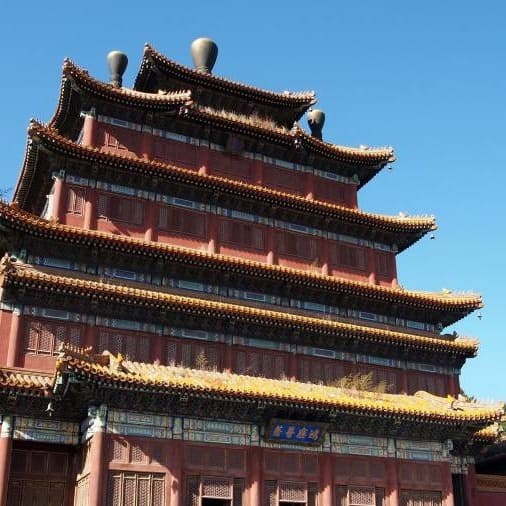
Puning Temple
Puning Temple, also known as the Temple of Universal Tranquility, is a significant Buddhist temple located in Chengde, Hebei Province, China.
The Temple was built during the Qing Dynasty in the 18th century, under the patronage of Emperor Qianlong. It was designed to showcase religious tolerance and harmony between different cultural and religious traditions.
Grand Main Hall: The main hall of Puning Temple, called the “Great Buddha Hall,” is one of the largest wooden structures in China. It houses an impressive statue of the Bodhisattva Avalokitesvara, also known as Guanyin. The statue is approximately 22.28 meters (73 feet) tall and is carved from a single piece of wood.
Guanyin Statue: The centerpiece of Puning Temple is the magnificent wooden statue of Guanyin. This statue is highly revered and represents compassion and mercy in Buddhism. Visitors can marvel at the intricate carvings and exquisite details of the statue, which is an impressive example of Buddhist artistry.
Temple Complex: Puning Temple is a sprawling complex that includes several buildings, halls, pavilions, and courtyards. The complex is surrounded by lush gardens, tranquil ponds, and serene pathways, creating a peaceful atmosphere for visitors to explore and contemplate.
Cultural Relics: Within Puning Temple, there are various cultural relics and artifacts on display. These include Buddhist scriptures, ancient paintings, calligraphy, and other religious items that provide insights into the rich history and cultural significance of the temple.

Jinshanling Great Wall
Jinshanling Great Wall is a notable section of the iconic Great Wall of China, located in the northern part of Hebei Province, near Chengde.
The Great Wall dates back to the Ming Dynasty (1368-1644) and is known for its military and strategic importance. It served as a key defense line, protecting the northern border of ancient China.
The wall winds its way along steep mountain ridges, offering breathtaking views of the surrounding countryside, rolling hills, and picturesque landscapes. The area is particularly beautiful during the autumn season when the foliage turns vibrant shades of red and gold.
The Jinshanling section is famous for its well-preserved architecture, featuring watchtowers, beacon towers, fortified walls, and crenellations. The wall stretches for approximately 10.5 kilometers (6.5 miles) and is characterized by its varying terrain and rugged terrain.
Less Crowded: Compared to other sections of the Great Wall, such as Badaling or Mutianyu, Jinshanling is relatively less crowded, offering a more peaceful and authentic experience. This makes it an excellent choice for those seeking a quieter and less touristy atmosphere while still being able to appreciate the grandeur of the Great Wall.
Accommodation and Facilities: Nearby the Jinshanling Great Wall, there are accommodation options available for visitors who wish to spend more time exploring the area. Additionally, there are facilities such as restaurants, souvenir shops, and restrooms to cater to the needs of travelers.