

Dunhuang is a historically and culturally rich city located in Gansu Province, northwest China. It is renowned for its ancient Silk Road heritage and its close proximity to the stunning Gobi Desert.
Mogao Caves (Mogao Grottoes): One of the most famous attractions in Dunhuang, the Mogao Caves are a UNESCO World Heritage site and a treasure trove of Buddhist art. The caves house thousands of intricate Buddhist statues, murals, and manuscripts dating back over a thousand years. A visit to the Mogao Caves offers a glimpse into the ancient Silk Road’s cultural and religious significance.
Crescent Lake and Singing Sand Dunes: Located just outside of Dunhuang, the Crescent Lake and Singing Sand Dunes are natural wonders that shouldn’t be missed. The crescent-shaped oasis surrounded by towering sand dunes creates a surreal landscape. You can take a camel ride or climb the sand dunes to witness the fascinating phenomenon of the sand “singing” as it shifts and moves.
Dunhuang Night Market: Experience the vibrant local culture and taste the delicious cuisine at the Dunhuang Night Market. You can sample a variety of traditional snacks, street food, and local specialties. The market also offers a unique shopping experience, with stalls selling handicrafts, souvenirs, and traditional artworks.
Dunhuang Museum: If you want to delve deeper into Dunhuang’s history, a visit to the Dunhuang Museum is recommended. The museum showcases artifacts and exhibits that tell the story of Dunhuang’s role as a strategic hub on the Silk Road. You can learn about the city’s ancient civilizations, trade routes, and cultural exchange.
Yangguan and Yumenguan Passes: These historic passes were once crucial gateways along the Silk Road. Yangguan Pass, known as the southern pass, and Yumenguan Pass, known as the western pass, offer a glimpse into the ancient trade and travel routes. Explore the ruins and learn about the significant role these passes played in connecting East and West.
Visiting Dunhuang:
- Location: Dunhuang is located in Gansu Province, northwest China.
- Transportation: Dunhuang is accessible by air, train, or bus. Dunhuang Airport serves domestic flights, and there are train and bus connections from major cities in China.
Dunhuang offers a unique blend of natural beauty, historical sites, and cultural heritage. It provides a window into the vibrant past of the Silk Road, making it a must-visit destination for history buffs, nature lovers, and those seeking an unforgettable travel experience in China.
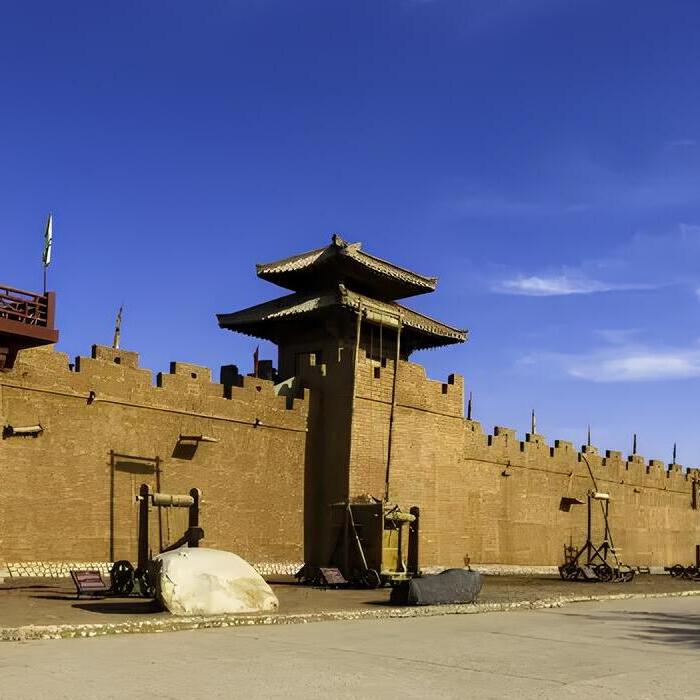
Yangguan Ancient Site
The Yangguan Ancient Site is an important historical and cultural site located near Dunhuang in Gansu Province, China. Yangguan, meaning “Sunset Pass,” was one of the two vital passes on the western end of the Great Wall of China during the Han Dynasty (206 BCE – 220 CE). It served as a crucial gateway for trade and communication along the ancient Silk Road.
Ruins and Artifacts: The Yangguan Ancient Site showcases the remains of the ancient pass, including the city walls, beacon towers, barracks, and other defensive structures. Visitors can explore the ruins and gain insight into the architectural and military systems of the Han Dynasty.
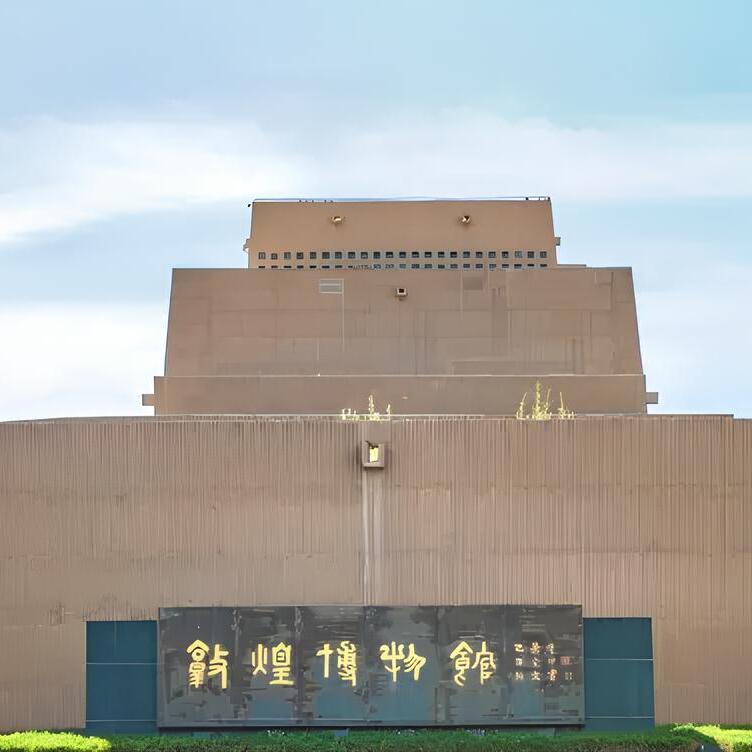
Dunhuang Museum
The museum houses a vast collection of artifacts, artworks, and historical relics that reflect the cultural diversity and historical significance of Dunhuang and the Silk Road. The exhibits include ancient manuscripts, Buddhist statues, frescoes, ceramics, textiles, and other archaeological finds. These artifacts provide insights into the artistic, religious, and commercial exchanges that occurred along the Silk Road.
One of the highlights of the Dunhuang Museum is the replica of a section of the renowned Mogao Caves, a UNESCO World Heritage site. The replica allows visitors to experience the intricate Buddhist sculptures, wall paintings, and architectural features that make the Mogao Caves an exceptional cultural treasure.