

Huaibei is a city located in the northern part of Anhui Province in China. Nestled in the Huaibei Coal Mining Area, the city is known for its coal reserves and plays a significant role in the region’s energy industry. Huaibei offers a mix of natural beauty, historical sites, and cultural experiences.
Huaibei is also home to the Tanghuai Park, a serene green space that offers a peaceful retreat for relaxation and leisure activities. With its beautiful gardens, walking paths, and serene lake, the park provides a tranquil atmosphere for locals and visitors alike.
Huaibei is known for its local cuisine, which features a variety of dishes made from locally sourced ingredients. Visitors can savor traditional Anhui-style cuisine, known for its delicate flavors and emphasis on fresh ingredients. Popular dishes include braised turtle, sautéed river shrimp, and steamed mandarin fish.
As a city rooted in the coal industry, Huaibei also offers insights into the mining heritage of the region. Visitors can learn about the mining process, visit mining museums, and even explore underground coal mines to gain a deeper understanding of the city’s industrial significance.
Huaibei blends natural landscapes, historical sites, cultural experiences, and industrial heritage, offering a unique and diverse travel experience in Anhui Province. Whether it’s exploring the outdoors, discovering ancient ruins, or immersing in local traditions, Huaibei welcomes visitors to uncover its hidden treasures and appreciate its distinct charm.

Xiangshan Scenic Area
One of the highlights of Huaibei is the Xiangshan Scenic Area. This scenic spot boasts picturesque landscapes, including mountains, forests, and tranquil lakes.
Visitors can hike along the trails, enjoy panoramic views from the mountaintops, and immerse themselves in the serene ambiance of nature.
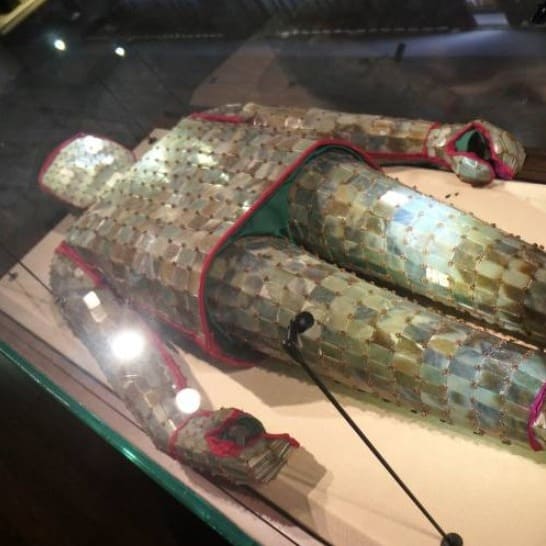
Huaibei Museum
Cultural experiences can be found at the Huaibei Museum, where visitors can explore the city’s history, art, and culture through a variety of exhibits and artifacts. The museum showcases the local customs, traditional craftsmanship, and the development of Huaibei over the years.