

Jixi is a prefecture-level city located in the southeastern part of Heilongjiang province, China. Surrounded by mountains and forests, Jixi is renowned for its picturesque landscapes, rich coal resources, and vibrant cultural heritage.
Coal Mining Heritage: Jixi has a long history of coal mining, and the city’s development has been closely linked to the mining industry. Visitors can explore the remnants of old coal mines and learn about the city’s industrial past.
Forest Parks and Natural Scenery: Jixi is blessed with abundant natural beauty, including forest parks, mountains, and rivers. Some popular spots for nature enthusiasts include Hongxing Forest Park, Dongnan Lake, and Xingkai Lake.
Northeastern Folk Culture: Jixi preserves and celebrates the unique folk culture of northeastern China, with colorful festivals, traditional customs, and folk performances showcasing the local heritage.
Jixi Museum: The city’s museum offers a fascinating glimpse into Jixi’s history, culture, and industrial development. It houses various exhibits and artifacts that narrate the story of the region.
Winter Tourism: In winter, Jixi transforms into a winter wonderland, attracting tourists for activities such as skiing, ice fishing, and enjoying the snowy landscapes.
Mining Themed Tours: Visitors can take guided tours to explore mining sites and gain insights into the life of miners and the coal mining industry’s significance in the city’s development.
Hot Springs: Jixi is home to hot springs that offer relaxation and therapeutic benefits, making them an ideal spot to unwind and rejuvenate.
Regional Cuisine: The local cuisine in Jixi includes traditional northeastern dishes such as “northeastern hot pot” and various hearty dishes that reflect the city’s culinary traditions.
Jixi offers a unique blend of natural beauty, industrial history, and vibrant culture, making it an appealing destination for travelers interested in exploring the diverse facets of northeastern China. Whether enjoying the winter activities, delving into the coal mining heritage, or immersing in the local culture, Jixi promises an enriching and memorable travel experience.
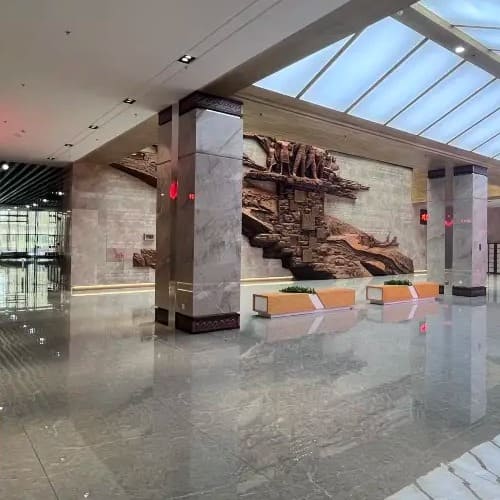
Jixishi Museum
Jixi City boasts a prominent position as a national three-level museum, proudly housing an extensive collection of tens of thousands of artifacts. Among these treasures are around 100 national-level cultural relics, some of which hold immense historical and cultural value.
The Jixi Museum stands as a comprehensive exhibition hall, serving as a captivating window into the city’s rich heritage, social evolution, and abundant mineral resources.
Spanning over an expansive area of more than 2,500 square meters, the exhibition hall strikes a harmonious balance between size and accessibility. Inside, visitors are treated to a thoughtfully curated journey through Jixi’s captivating history, development, and the significance of its valuable mineral resources.
From ancient artifacts to modern exhibits, visitors can explore the city’s past, immerse themselves in the intricacies of its social development, and gain a deeper understanding of its rich mineral endowment.
The museum’s comprehensive approach ensures that visitors leave with a profound appreciation for the cultural tapestry that defines Jixi and its place in the greater narrative of China’s cultural heritage.
Jixi Museum stands as a cherished destination, attracting a multitude of curious minds and cultural enthusiasts year after year. With its well-curated exhibits and commitment to preserving and sharing the city’s heritage, the museum serves as a testament to the enduring legacy and vibrant spirit of Jixi City.
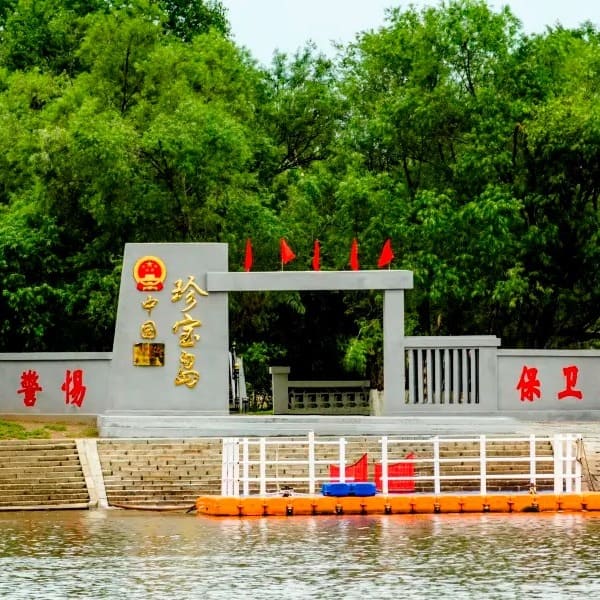
Zhenbao Island
Zhenbao Island lies on the Ussuri River and spans approximately 2 kilometers in length. Named for its ingot-like shape, the island was originally a peninsula extending from the Chinese side into the Ussuri River. However, continuous currents over time transformed it into a small island.
During the dry season in summer, Zhenbao Island reconnects with the Chinese land in the Ussuri River, momentarily restoring its former peninsula appearance. Local fishermen of the older generation also referred to it as “Wengdao.”
Though merely covering an area of 0.74 square kilometers, Zhenbao Island gained global attention due to the Zhenbao Island incident in the late 1960s. The island witnessed a self-defense counterattack by China against the Soviet Union, culminating in victory.
Since then, Zhenbao Island has been designated a military restricted area, barring access to local residents and tourists. In the aftermath of the Soviet Union’s disintegration, limited tourism was permitted with military consent.
Upon arriving at the island, visitors are greeted by a solemn gate inscribed with “Chinese Treasure Island.” Throughout the higher plots, soldiers, who have guarded the island for generations, overcame numerous challenges to construct “Beijing Road,” “Jinshui Bridge,” “Nanjing Road,” and “Shanghai Road,” symbolizing their unwavering determination to defend the treasured island at all costs.