

Pingliang is a prefecture-level city located in the eastern part of Gansu Province, China. It is situated at the eastern edge of the Loess Plateau and is known for its scenic landscapes and cultural attractions.
Kongtong Mountain: One of the major attractions in Pingliang is Kongtong Mountain, which is considered one of the birthplaces of Taoism. The mountain offers stunning natural scenery, ancient temples, and Taoist cultural relics. Visitors can explore the mountain, hike its trails, and visit the historical sites.
Xinglong Mountain: Located on the outskirts of Pingliang, Xinglong Mountain is another picturesque mountain range. It is known for its beautiful peaks, lush forests, and clear streams. The mountain offers hiking opportunities and panoramic views of the surrounding landscapes.
Mingsha Mountain: Mingsha Mountain, also known as the “Singing Sand Mountain,” is located in Kongtong District, Pingliang. It features unique sand dunes that create a melodious sound when the wind blows. Visitors can enjoy camel rides, sand sliding, and admire the desert-like scenery.
Grottoes and Temples: Pingliang is home to several ancient Buddhist grottoes and temples. Shimenshan Grottoes, Daxiangshan Grottoes, and Shuishiyan Grottoes are notable examples. These grottoes contain intricate carvings, statues, and Buddhist art, offering a glimpse into the region’s cultural and religious history.
Zhang Family Courtyard: Zhang Family Courtyard is a well-preserved residential complex that reflects the architectural style of the Ming and Qing dynasties. It showcases the traditional layout, exquisite carvings, and cultural artifacts of a wealthy family from ancient times.
To reach Pingliang, you can take a train or bus from major cities in China. The city also has its own airport, the Pingliang Kongtong Airport, which offers domestic flights.
Enjoy your visit to Pingliang and explore the natural beauty, cultural heritage, and historical sites it has to offer!
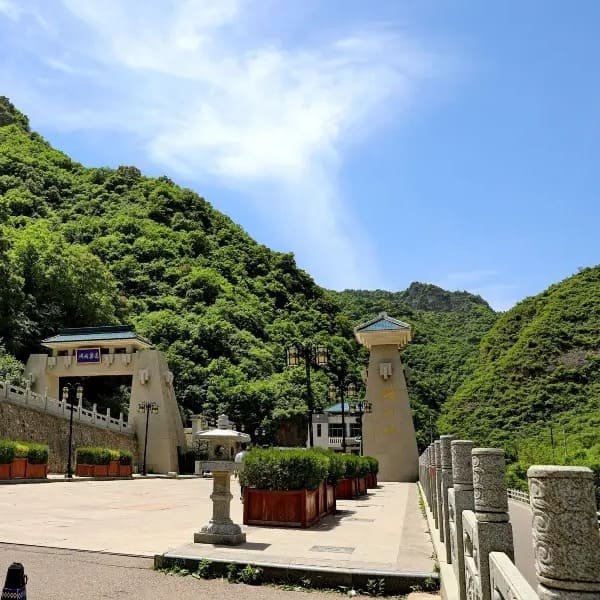
Kongdong Mountain
Kongdong Mountain is known for its stunning natural landscapes and scenic beauty. It features rugged peaks, deep valleys, lush forests, and crystal-clear streams. The mountain is surrounded by picturesque scenery, offering visitors a peaceful and tranquil environment. The Mountain is renowned as one of the sacred mountains in Taoism.
Hiking and Sightseeing: Kongdong Mountain offers excellent hiking opportunities for outdoor enthusiasts. There are various trails that wind through the mountain, allowing visitors to explore its diverse landscapes and enjoy breathtaking views from different vantage points.
To reach Kongdong Mountain, you can take a bus or taxi from Pingliang City to the base of the mountain. It’s recommended to wear appropriate footwear and carry essential supplies such as water and snacks for your visit.

Dayun Temple (Wangmu Palace)
Dayun Temple, also known as Wangmu Palace, is a renowned Buddhist temple located in Pingliang City, Gansu Province, China. It is a significant religious site with a rich history and cultural heritage. Dayun Temple has a history that dates back over 1,300 years, with its origins believed to be in the Tang Dynasty (618-907 AD). It has served as an important center of Buddhist worship and learning throughout the centuries.
The temple complex features traditional Chinese Buddhist architecture and design. It consists of various halls, pavilions, and courtyards, showcasing exquisite craftsmanship and intricate woodwork.
Please note that Dayun Temple may have specific customs and practices related to dress code and behavior. It’s recommended to dress modestly and respectfully, and to follow any instructions provided by the temple staff, before you Immerse yourself in the spiritual ambiance of Dayun Temple.