

Qingyang, also known as Xifeng, is a prefecture-level city located in the southeastern part of Gansu Province, China. It is situated at the eastern edge of the Loess Plateau and is known for its historical and cultural significance.
Zhang Qian’s Hometown: Qingyang is renowned as the hometown of Zhang Qian, an important historical figure during the Western Han Dynasty. Zhang Qian was a diplomat and explorer who played a crucial role in opening the Silk Road trade route. Visitors can explore sites associated with Zhang Qian’s life and learn about his contributions.
Qingyang Gong (Qingyang Palace): Qingyang Gong, also known as Qingyang Taoist Temple, is a prominent Taoist temple complex in Qingyang. It is one of the birthplaces of the Zhengyi Taoist school and is dedicated to the worship of Laozi, the founder of Taoism. The temple features beautiful architecture, tranquil courtyards, and Taoist cultural artifacts.
Liupan Mountain: Located near Qingyang, Liupan Mountain is a scenic area that offers picturesque landscapes, lush forests, and refreshing waterfalls. It is a popular destination for hiking, nature walks, and enjoying the natural beauty of Gansu Province. The mountain is also home to diverse flora and fauna.
Historical and Cultural Sites: Qingyang boasts several historical and cultural sites that reflect its rich heritage. The Xifeng County Museum showcases artifacts and exhibits related to the region’s history. The Ancient Xifeng City Wall, built during the Ming Dynasty, is another notable attraction that offers a glimpse into the city’s past.
Festivals and Local Culture: Qingyang hosts various traditional festivals throughout the year. The Qingyang Temple Fair, held annually in the Qingyang Gong, is a vibrant celebration featuring folk performances, traditional rituals, and local cuisine. Visitors can experience the lively atmosphere and immerse themselves in the local culture.
To reach Qingyang, you can take a train or bus from major cities in China. The city also has its own airport, Qingyang Airport, which offers domestic flights.
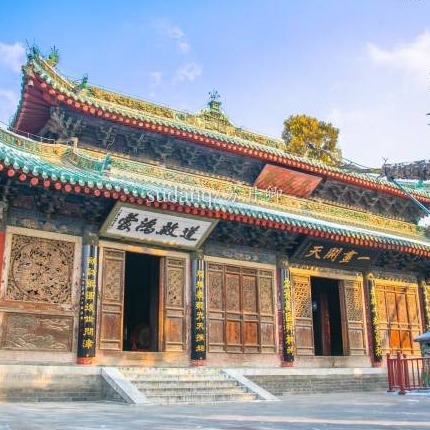
Fuxi Temple
Fuxi Temple, also known as Fuxi Miao, is a significant cultural and historical site located in Qingyang City, Gansu Province, China. It is dedicated to Fuxi, a legendary figure in Chinese mythology and one of the Three Sovereigns and Five Emperors.
Fuxi Temple holds great importance in Chinese culture and history. Fuxi is revered as a wise emperor and is believed to have made significant contributions to early Chinese civilization, including the invention of fishing, trapping, and marital customs.
The Temple houses a collection of cultural relics that are associated with Fuxi and ancient Chinese civilization. Visitors can admire ancient stone tablets, calligraphy, paintings, and other artifacts that depict the legend and influence of Fuxi.
Fuxi Temple is easily accessible within Qingyang City. Visitors can take a taxi or use local transportation to reach the temple.
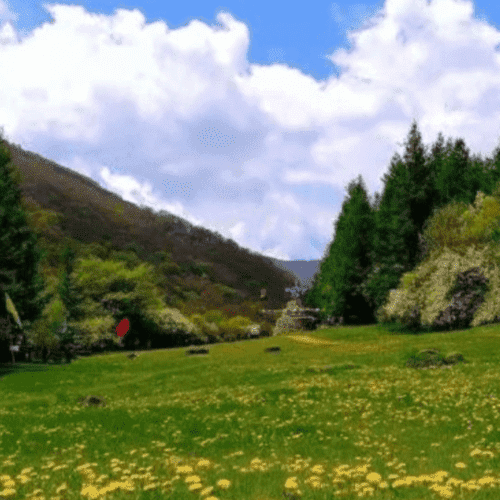
Liupan Mountain
Liupan Mountain, also known as Liupanshan, is a famous mountain range located in the southern part of Ningxia Hui Autonomous Region and the northern part of Gansu Province in China. Known for its breathtaking natural landscapes, featuring towering peaks, deep valleys, lush forests, and clear streams. The mountain range stretches for about 200 kilometers, offering stunning views and a tranquil atmosphere. It is a popular destination for nature lovers, hikers, and photographers.
Cultural Significance: Liupan Mountain holds significant cultural and historical importance. It was a revolutionary base during the Chinese Communist Party’s early years and played a crucial role in the Long March. The mountain range is associated with revolutionary heroes and events, and there are several memorial sites and monuments commemorating their contributions.