

Yangjiang is a coastal city located in southwestern Guangdong Province, China. Known for its beautiful beaches, delicious seafood, and rich cultural heritage, Yangjiang offers a unique blend of natural attractions and cultural experiences.
Yangjiang Hailing Island: Hailing Island is one of the most popular attractions in Yangjiang. It boasts picturesque beaches with golden sand and clear blue waters. Visitors can relax on the beach, swim in the sea, or participate in water sports activities such as jet skiing and banana boat rides. The island also offers scenic hiking trails and a vibrant seafood market where you can savor fresh catches of the day.
Dajiao Bay: Dajiao Bay is another beautiful coastal area in Yangjiang. It is known for its stunning rock formations, crystal-clear waters, and tranquil atmosphere. Visitors can explore the coastline, take leisurely walks along the beach, and enjoy breathtaking views of the sea. Dajiao Bay is particularly famous for its romantic sunsets, making it a popular spot for couples and photographers.
Yangjiang Zhapo Beach: Zhapo Beach is a well-maintained and family-friendly beach in Yangjiang. It features soft sand, gentle waves, and a range of amenities such as beach umbrellas, chairs, and water sports equipment rentals. The beach is perfect for swimming, sunbathing, and building sandcastles. Nearby, there are also seafood restaurants where you can indulge in delicious local specialties.
Yangjiang Wind Energy Museum: Yangjiang Wind Energy Museum is an educational and interactive museum that provides insights into the city’s renewable energy initiatives. It showcases the development of wind power technology, exhibits wind turbines, and offers informative displays on the benefits of clean energy. It’s an interesting visit for those interested in environmental sustainability.
Zhapo Ancient Town: Zhapo Ancient Town is a charming historical district in Yangjiang. It preserves traditional architecture, narrow streets, and ancient buildings. Strolling through the town, visitors can immerse themselves in the local culture, visit temples, explore small shops selling handicrafts and local products, and sample authentic snacks and street food.
Dajiao Mountain: Dajiao Mountain is a scenic area located northeast of Yangjiang. It offers hiking trails amidst lush greenery and serene surroundings. At the mountain peak, visitors are rewarded with panoramic views of the city, the coastline, and the surrounding landscapes. Dajiao Mountain is also home to Dajiao Bay, making it a great combination for a day trip.
Yangjiang Knife Factory: Yangjiang is renowned for its knife production, and visiting a knife factory is a unique experience. The city has a long history of knife-making, and visitors can witness the craftsmanship and learn about the knife-making process. You can also purchase high-quality knives as souvenirs or gifts.
To reach Yangjiang, you can take a high-speed train from major cities in China, or fly into Yangjiang Airport. Within the city, taxis, buses, and tricycles are available for transportation.
Immerse yourself in the coastal beauty, savor delicious seafood, and explore the cultural heritage of Yangjiang. Whether you’re seeking relaxation on the beach, outdoor adventures, or cultural experiences, Yangjiang offers a diverse range of attractions and activities to suit different interests.
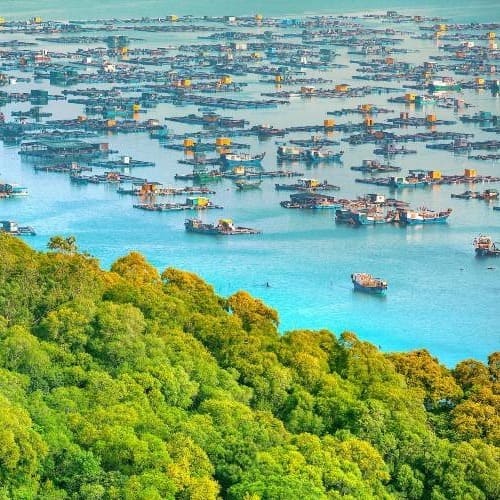
Hailing Island
Hailing Island, also known as Hailingdao, is a stunning island located in Yangjiang, Guangdong Province, China. It is a popular tourist destination known for its beautiful beaches, scenic landscapes, and abundant seafood.
Xitong Peninsula Scenic Area offers breathtaking coastal views, pristine beaches, and various recreational activities. You can relax on the sandy beaches, swim in the clear waters, or try thrilling water sports like jet skiing and parasailing. The scenic area also features scenic walking paths, gardens, and a vibrant seafood market where you can sample fresh local catches.
Marine Ecological Museum: The Marine Ecological Museum is an educational and entertaining attraction on Hailing Island. It showcases the diverse marine life found in the surrounding waters and promotes awareness of marine conservation. Visitors can explore interactive exhibits, view marine creatures in aquariums, and even participate in feeding sessions. The museum is an ideal place for families and nature enthusiasts.
Xianren Bridge: Xianren Bridge, meaning “Immortal Bridge,” is a natural rock formation that resembles a bridge. It is located near the Xitong Peninsula Scenic Area and offers stunning views of the sea and coastline. The bridge is surrounded by cliffs and lush vegetation, creating a picturesque spot for photography and enjoying the natural beauty of Hailing Island.
Shili Silver Beach: Shili Silver Beach is one of the most popular beaches on Hailing Island. With its silver-colored sand stretching for miles, it offers a tranquil and scenic environment for beachgoers. You can take a leisurely stroll along the shore, swim in the calm waters, or simply relax on the beach and soak up the sun. The beach is well-equipped with facilities such as umbrellas, beach chairs, and restaurants.
Hailing Island National Wetland Park: Hailing Island National Wetland Park is a vast area of preserved wetlands, mangroves, and bird habitats. It is an excellent destination for nature lovers and birdwatchers. Visitors can explore the park on wooden walkways, observe a variety of bird species, and learn about the importance of wetland ecosystems.
Donghu Lake: Donghu Lake, located in the eastern part of Hailing Island, is a peaceful and picturesque freshwater lake. It offers opportunities for boating, fishing, and enjoying the serene surroundings. The lake is surrounded by lush greenery, making it a pleasant spot for picnics and relaxation.
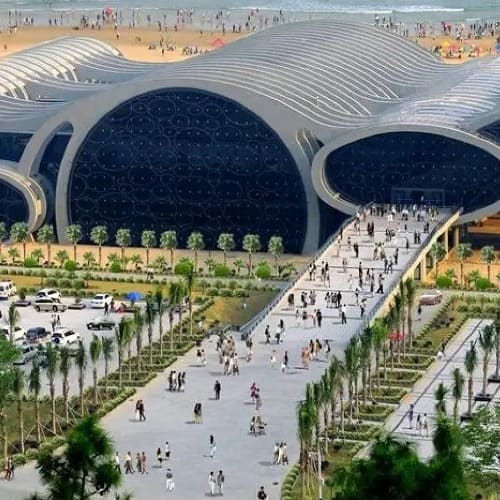
Guangdong Maritime Silk Road Museum
The Guangdong Maritime Silk Road Museum, also known as the Guangdong Provincial Museum of Maritime Silk Road, is a significant cultural institution located in Yangjiang, Guangdong Province, Hailing Island, China. The museum is dedicated to preserving and showcasing the historical and cultural heritage of the Maritime Silk Road, a major ancient trade route that connected China with other countries through maritime trade.
The museum houses a comprehensive collection of artifacts, exhibits, and historical relics related to the Maritime Silk Road. Visitors can explore various galleries and displays that highlight the history, development, and cultural exchanges along the ancient trade route. The exhibits include archaeological discoveries, ancient maritime artifacts, ship models, maps, documents, and multimedia presentations.
The museum’s primary focus is to promote and raise awareness about the rich cultural heritage of the Maritime Silk Road. It showcases the economic, social, and cultural interactions between China and other countries during ancient times. Through the displays, visitors can gain insights into the historical significance of maritime trade, the exchange of goods, ideas, and cultural influences between different civilizations.
The Museum offers interactive experiences to enhance visitors’ understanding and engagement. There are hands-on activities, multimedia presentations, and virtual reality exhibits that allow visitors to immerse themselves in the history and culture of the Maritime Silk Road. These interactive elements make the museum visit informative and entertaining for visitors of all ages.
The museum also offers workshops designed to promote cultural learning and appreciation among visitors. These programs include lectures, seminars, and guided tours that delve deeper into the historical context and significance of the Maritime Silk Road. They provide a valuable opportunity for visitors to expand their knowledge and understanding of ancient trade routes and cultural exchanges.
The museum’s architecture and design are inspired by maritime elements, symbolizing the connection between the sea and cultural exchange. The building’s design incorporates modern aesthetics while paying homage to the historical context it represents. The museum’s layout and exhibition spaces are designed to provide a seamless and immersive experience for visitors.